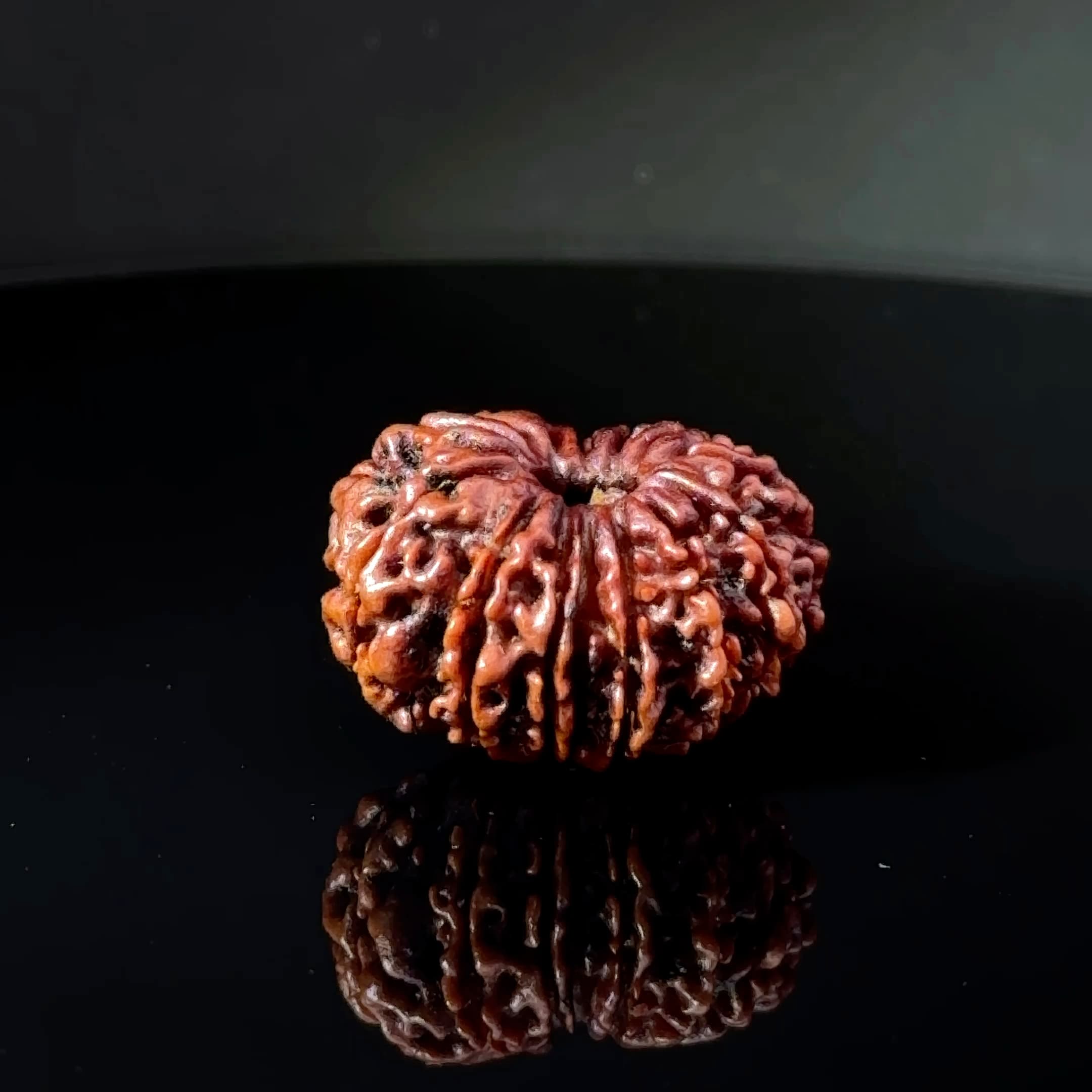
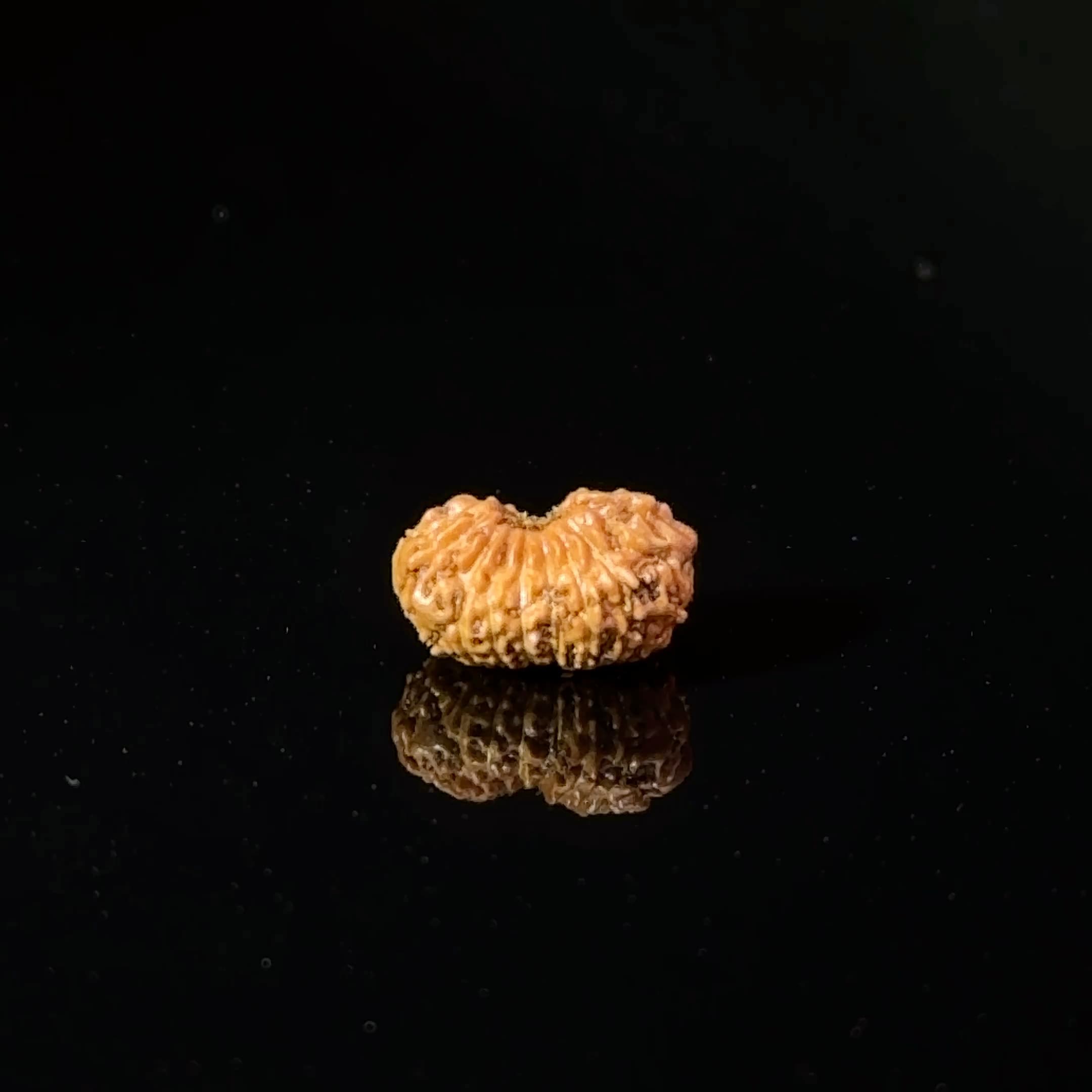
Certified 14 Mukhi Nepali Rudraksha IGL- 145135RD
Save- Dimension:-24.65 x 20.53 x 15.84 mmWeight:- 2.528 Gram This Rudraksha is very lovable to Lord Shiva.
- It is considered to be Lord Hanuman himself.Fourteen Mukhi Rudraksha is a symbol of Lord Hanuman and is considered Deva Mani.
- The most precious of all Rudra gems, this Fourteen Mukhi Rudraksha is very powerful.
- This Rudraksha is believed that it has come directly from the eyes of Lord Shiva, who himself wears this bead.
Why This GEMTRE Piece
Every piece is selected the way our founders were trained to select gemstones — Sanjeev Garg (IGI Certified Gemologist, 1984) and Saurav Garg (GIA Diamond Graduate) bring four decades of combined trade experience to what makes it into the catalog.
Where a stone carries lab certification, the certificate is shown on this page, not just claimed in copy — from recognised gemological labs, so authenticity and treatment status aren't left to trust alone.
Unsure this is the right piece for your chart or intention? A free consultation with our astrologer is one message away — the same guidance we'd give a customer walking into Karol Bagh.
| Treatment | Not specified |
| Certification | Not certified |
| Stock status | In Stock |
About Rudraksha
Rudraksha are the dried seeds of the Elaeocarpus ganitrus tree, primarily found in the Himalayan belt (notably Nepal) and parts of Indonesia. In Hindu tradition, they are closely associated with Lord Shiva — the name itself is derived from "Rudra" (a name of Shiva) and "aksha" (eyes/tears) — and have been worn for centuries in japa malas and as protective ornaments.
A bead's "mukhi" refers to the number of natural clefts or facets running down its surface, and different mukhi counts (from 1-mukhi through multi-mukhi varieties) are traditionally assigned distinct significance and are said to correspond to different planetary or deity associations, with the 5-mukhi being the most commonly available and widely worn.
Traditional practice generally recommends wearing Rudraksha after energisation (often via a Vedic ritual or a priest's blessing), commonly on a red or black thread, and observing certain conduct guidelines (e.g., removing before non-vegetarian meals or specific rituals) according to the practitioner's tradition. Authenticity is typically verified by seed origin, natural mukhi lines (versus artificially carved lines), and, increasingly, lab certification.
You May Also Like
Still Deciding on Certified 14 Mukhi Nepali Rudraksha IGL- 145135RD?
Message our team on WhatsApp or book a free consultation before you buy — we’ll help confirm it’s the right piece for you.